
Hospitality and tourism jobs
Dive and Watersports Jobs: Certificates That Matter
6 min read
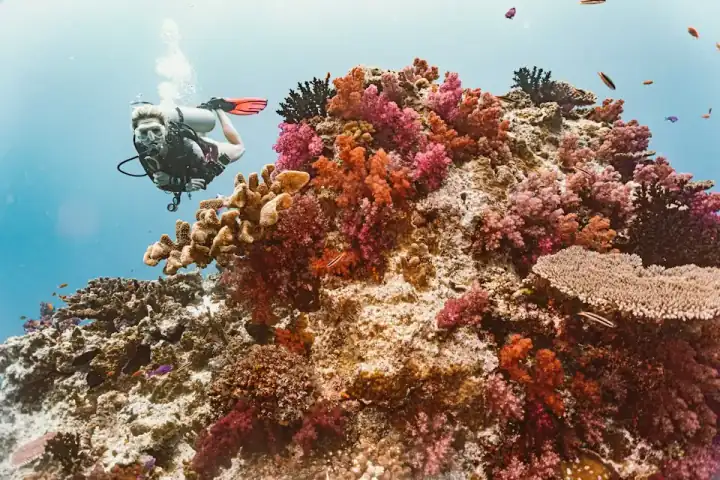
Jobs in Nadi for dive and watersports staff usually sit close to the airport, Denarau marinas, day-cruise operators, and resorts that move guests out to reef sites. The work can look relaxed from the beach, but the hiring decision is serious. Operators are trusting you with guests who may be nervous, inexperienced, jet-lagged, or unfamiliar with Fiji waters.
Start with the level of responsibility in the ad. A beach activity attendant who issues snorkel gear is not the same as a Divemaster guiding certified divers, and neither is the same as an instructor teaching an Open Water course. If the ad says guide, instructor, boat crew, compressor operator, or activities coordinator, each word points to a different risk level and document set.
For scuba roles, recognised agency credentials matter. PADI is common in Fiji tourism, but employers may also recognise equivalent training from other international agencies. For professional PADI pathways, local course information commonly lists Divemaster as the first professional level, with Emergency First Response or equivalent CPR and first aid kept current, a dive medical signed within the required period, and logged dives that meet the course or role standard.
Do not stretch your certification in your CV. Write it clearly: agency, level, date achieved, expiry if relevant, and whether your first aid is current. A strong line is, "PADI Divemaster, current EFR Primary and Secondary Care, dive medical available, 120 logged dives, confident guiding small groups." A weak line is, "Good swimmer, loves diving, can teach tourists."
Instructor jobs usually require more than being a confident diver. Employers may ask for an active teaching status, current professional membership, proof of insurance where required by the operator, first aid currency, and the ability to follow standards exactly. If you are not yet an instructor, say you are working toward that level and apply for assistant, deck, gear-room, or activity-desk roles that match your current rating.
Watersports is wider than scuba. Resorts may need kayak guides, stand-up paddleboard attendants, snorkel guides, jet-ski marshals, parasail support, fishing trip hands, or staff who can brief guests before a day cruise. Read the ad for boat licence, radio, first aid, rescue, or in-house training requirements. If you are unsure, ask the employer what documents they need rather than inventing a licence claim.
Medical fitness is part of the job, not a small add-on. Diving work can involve lifting cylinders, swimming against current, responding calmly in water, and working long days in heat. Keep a recent dive medical if the operator requests one, and be honest about conditions that could affect safety. A good employer would rather know early than discover a problem after rosters are built.
Guest communication can separate two candidates with the same certificates. Tourists may be first-time snorkellers, families with children, older travellers, or certified divers who still need a careful site briefing. Mention any languages you can brief in, your experience calming nervous guests, and your habit of checking understanding instead of rushing through safety instructions.
Build a certificate folder on your phone before you apply. Include dive card scans, first aid certificates, medical clearance if you have it, boat or radio documents if relevant, references, and a short one-page CV. Name files plainly, such as "Name PADI Divemaster" or "Name First Aid 2026", so a hiring manager can find them quickly.
Your CV should show water safety and reliability before lifestyle. Put certificates near the top, then recent experience, then guest-service examples. Use Fiji-specific context where you have it: reef briefings, island transfers, Mamanuca or Yasawa day trips, resort activity desks, gear rinse and maintenance, cylinder handling, guest waivers, or coordination with boat crew.
For interviews, prepare two safety stories. One should be about prevention, such as stopping a guest from entering rough water or changing a snorkel route after weather shifted. The other should be about teamwork, such as how you helped a boat captain, instructor, or front-office team update guests when a trip was delayed. Keep the stories factual and calm.
Do not ignore gear-room work. Employers notice staff who rinse, log, store, and report damaged equipment properly. If you have maintained masks, fins, BCDs, regulators, lifejackets, kayaks, paddles, or compressor-area records under supervision, say so. Resorts value people who protect equipment because replacement parts can be slow and expensive, especially for island operations.
If you are applying from outside Fiji or are not a Fiji resident, do not assume you can start because the resort likes you. Work authorisation has its own process and usually needs a proper employment contract and employer sponsorship. For a Fiji resident, the stronger move is to show that you are already available locally and have the documents that make onboarding easy.
Be careful with offers that ask you to pay a fee to secure work or training before you have a real employer process. Paying for a legitimate course is different from paying someone for a job promise. Use official course providers, recognised employers, and written instructions. Keep copies of receipts and never hand over original ID documents casually.
When searching FijiCareers, combine role words with location: dive, Divemaster, watersports, marine, activities, snorkel guide, deckhand, Nadi, Denarau, Mamanuca, Yasawa. The right ad may sit under Hospitality Jobs in Fiji, tourism, trades, marine, or operations depending on how the employer writes it.
Before you apply, reread the ad and match every requirement with one proof point. If they ask for first aid, mention the exact course. If they ask for guest service, give one resort, activity desk, or tour example. If they ask for flexible rosters, confirm your availability for early boat departures, weekends, and weather-dependent schedule changes.
Your final application should make the employer feel safe shortlisting you. You are not only saying you love the ocean. You are showing current certificates, honest limits, guest-care judgement, and the discipline to follow standards every day. Search FijiCareers for Jobs in Nadi and nearby resort roles, then apply through the employer link with your certificate folder ready.
More in Hospitality and tourism jobs

Hospitality and tourism jobs
Hospitality Jobs in Fiji: What Employers Look For First
Hotels and resorts hire for reliability, guest care, shift readiness, and trainable habits before fancy wording. Show those signals clearly in your CV, interview, and first contact.
7 min read
Hospitality and tourism jobs
F&B Roles: Waitstaff, Bar, and Banquet Basics
Food and beverage roles can start on the floor, behind the bar, or in banquets. Learn the rhythm, safety expectations, and CV proof each section needs.
7 min read
Where can I find Jobs in Fiji?
Roles change often, so check live listings rather than relying on old posts. Use FijiCareers job search to filter by role or town, then apply on the employer site.
Search live jobs on FijiCareers
Tips help, but listings change daily. Search live jobs in Fiji on FijiCareers when you are ready.
Search jobs