
Hospitality and tourism jobs
Hotel Jobs in Fiji: Front Office vs Housekeeping
7 min read
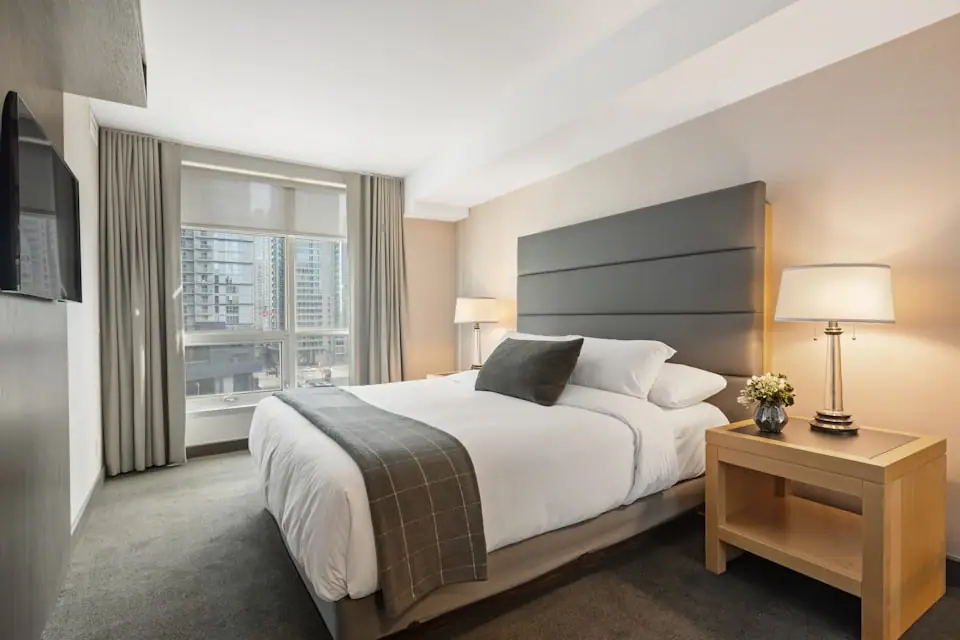
Front office and housekeeping are two of the most common doors into hotel work, but they are not the same job with different uniforms. One puts you at the guest-facing control point of the property. The other puts you inside the room standard that guests judge before they say a word. Both paths can lead to steady Hotel Jobs in Fiji if you choose the one that fits your strengths.
Tourism is a major employer in Fiji, with WTTC-linked reporting putting tourism employment near a quarter of all employment in 2024 and FHTA describing the sector as supporting more than 118,000 people directly and indirectly. That scale creates real opportunities, but it also means hotels care deeply about standards. A bad check-in can upset a guest. A poorly cleaned room can damage the property. Neither department is minor.
Front office covers reception, reservations, guest services, concierge, telephone operation, night audit support, and sometimes cashiering. The work is about information flow. Who is arriving, who has paid, who needs a room move, who missed a transfer, which group has a late checkout, and what complaint must be passed to duty manager. If you like people, systems, and quick questions, front office may suit you.
Housekeeping covers guest rooms, public areas, laundry coordination, linen rooms, minibar checks in some properties, turndown in higher-end resorts, and reporting maintenance faults. The work is about standards and pace. A room attendant may clean many rooms in one shift, follow exact setup rules, notice missing items, and protect guest privacy. If you like practical work, movement, and visible results, housekeeping may suit you.
Front office requires calm communication under pressure. Guests may arrive tired from a long flight, confused about bookings, worried about payment, or unhappy about a room type. You need to listen, repeat details, check the system, and avoid making promises you cannot keep. Strong candidates can say: I would acknowledge the guest, check the booking record, ask my supervisor before changing charges, and record the issue for the next shift.
Housekeeping requires stamina and attention to detail. You may walk long corridors, carry linen, bend, lift, push trolleys, clean bathrooms, make beds to brand standard, and meet room turnaround times. The best workers are not only fast. They are consistent. They report broken air-conditioning, water leaks, stained linen, lost property, pests, and safety hazards before a guest finds them.
Training pathways differ. Fiji National University lists Certificate III and IV options in Front Office Operations and Housekeeping and Accommodation Operations, plus hospitality and hotel management pathways. FNU also describes hands-on training through simulated front offices, training kitchens, real hospitality environments, internships, and industry partnerships. Those details matter because hotels often value candidates who have practised the rhythm before their first full-time job.
If you are applying for front office, show computer and record confidence. Mention booking systems if you know them, but also mention transferable tools: Excel, email, phone logs, cash reconciliation, EFTPOS, customer databases, and professional WhatsApp or email replies. A useful CV line is: handled daily customer calls, recorded bookings in a spreadsheet, and followed up missing information before close of business.
If you are applying for housekeeping, show volume and safety. Mention how many rooms, tables, areas, or tasks you handled if you know the number. Mention safe chemical use, PPE, linen handling, lost property procedure, key control, trolley setup, and reporting maintenance. A useful CV line is: cleaned guest rooms to checklist standard, restocked amenities, separated stained linen, and reported maintenance faults to supervisor.
The roster can feel different too. Front office often needs coverage across early, afternoon, and night shifts because guests arrive and call at all hours. Night audit or late desk shifts may suit some people and be difficult for others. Housekeeping often starts early so rooms are ready for arrivals, though evening turndown or public-area shifts exist in some properties. Island resorts may arrange rosters around boats, staff quarters, and peak occupancy.
Guest contact is not only a front office issue. Housekeepers meet guests in corridors, rooms, lifts, and public areas. A guest might ask for towels, directions, drinking water, or help with a room problem. A housekeeper who smiles, listens, and reports the request properly protects the guest experience. Do not apply for housekeeping thinking you will never speak to guests.
Privacy is important in both departments. Front office sees passports, booking details, payment information, room numbers, and sometimes personal complaints. Housekeeping enters private spaces and may see medicines, documents, money, jewellery, or family belongings. The right rule is simple: do not discuss guest information, do not photograph guest rooms or belongings, report lost property, and follow key-control procedures exactly.
Pay and benefits depend on the property, role, seniority, location, and current wage orders. Fiji's national minimum wage moved to FJD 5.00 per hour from 1 April 2025, and hotel and catering classifications may have their own minimums above the national floor. Always read the written offer and check current Ministry of Employment or Wages Regulation Order information. For island jobs, ask what is included: meals, accommodation, laundry, transport, medical support, and leave travel.
Promotion routes are real, but they are built on reliability. In front office, a path may move from receptionist to senior receptionist, reservations, night auditor, guest services supervisor, duty manager, or revenue and rooms division roles. In housekeeping, a path may move from room attendant to public area, linen, supervisor, executive housekeeper support, quality control, or rooms division leadership. Some people cross departments later because hotel managers value broad operational knowledge.
Choose based on your energy, not only the uniform. Front office may suit you if you like talking, problem-solving, computers, and staying composed while people wait. Housekeeping may suit you if you like practical tasks, movement, clear standards, and working through a checklist. Both require humility. Both can be tiring. Both can build strong references if you do the basics every day.
When comparing jobs, read the ad for department, roster, location, transport, staff housing, required certificates, and experience level. Search FijiCareers for Hotel Jobs in Fiji, then compare front office, reservations, housekeeping, laundry, and rooms division vacancies side by side. Apply through the employer link with a CV that proves the strengths that department actually uses.
More in Hospitality and tourism jobs

Hospitality and tourism jobs
Hospitality Jobs in Fiji: What Employers Look For First
Hotels and resorts hire for reliability, guest care, shift readiness, and trainable habits before fancy wording. Show those signals clearly in your CV, interview, and first contact.
7 min read
Hospitality and tourism jobs
F&B Roles: Waitstaff, Bar, and Banquet Basics
Food and beverage roles can start on the floor, behind the bar, or in banquets. Learn the rhythm, safety expectations, and CV proof each section needs.
7 min read
Where can I find Jobs in Fiji?
Roles change often, so check live listings rather than relying on old posts. Use FijiCareers job search to filter by role or town, then apply on the employer site.
Search live jobs on FijiCareers
Tips help, but listings change daily. Search live jobs in Fiji on FijiCareers when you are ready.
Search jobs