
Hospitality and tourism jobs
Housekeeping Jobs in Fiji: Speed and Standards
6 min read
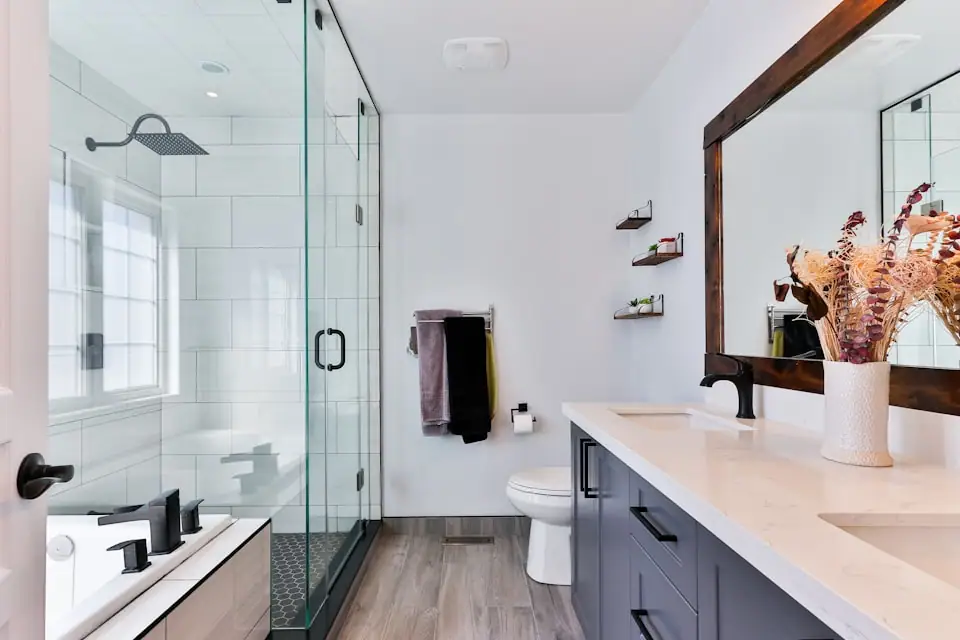
Housekeeping looks simple from outside until you see how many standards sit inside one guest room. A room attendant is not just "cleaning." You are protecting the guest's comfort, the hotel's reputation, the next check-in time, and the safety of anyone who enters that room after you.
That is why housekeeping is one of the best entry points for Hospitality Jobs in Fiji, but also one of the toughest. It rewards people who can move fast, follow a sequence, notice small defects, respect privacy, and keep the same standard on the last room of the day as on the first.
Fiji's tourism demand makes the role important. Visitor arrivals reached a record 986,367 in 2025, according to the Fiji Bureau of Statistics, and July 2026 passed 100,000 visitors in a month for the first time. Full rooms create housekeeping pressure: more departure rooms, more stayovers, more linen, more guest requests, and less room for mistakes.
A good housekeeping team works from a standard operating procedure. The ASEAN housekeeping training materials for cleaning and preparing rooms describe the core skills: knowing the room attendant role, reading room assignments, following enterprise procedures, communicating with other departments, identifying hazards, and reporting defects. Fiji hotels may use their own brand manual, but the basics are similar.
Expect to learn the difference between a departure room, a stayover room, and a vacant inspected room. A departure room usually takes longer because the guest has checked out and the room must be reset fully for a new arrival. A stayover room may be quicker, but you still need to respect guest belongings and refresh the room to the property's standard.
The cleaning sequence matters because it keeps you from missing things. Many trainers teach a flow: knock and announce, check the room status, open curtains or lights, remove rubbish and used linen, clean the bathroom, make the bed, dust and wipe surfaces from high to low, vacuum or mop last, restock amenities, then complete a final inspection before closing the door.
Bathrooms often decide whether a guest feels the room is clean. Hair, water marks, used amenities, bins, mirrors, drains, toilets, showers, and towels all get noticed. A supervisor may forgive a slow learner who asks questions. They will not ignore repeated bathroom defects because that is where guest complaints arrive quickly.
Beds are the visual test. Learn the exact bed-making standard for the property: sheet direction, pillow placement, duvet or cover fold, cushion position, mattress protector, bed skirt, and whether decorative items are used. A neat bed tells the guest the room has been cared for before they even check the bathroom.
Amenities and minibar checks are not just decoration. They affect billing, guest satisfaction, and stock control. If the property uses a minibar, learn how to record missing items. If it uses refillable bathroom products, learn the fill line and hygiene rule. If it has welcome cards, bottled water, robes, slippers, tea, coffee, or turndown items, know what belongs in each room type.
Maintenance reporting is part of housekeeping professionalism. You may be the first person to notice a blocked drain, broken safe, loose balcony lock, faulty aircon, stained curtain, pest issue, cracked tile, or light that does not work. Do not hide defects because you are rushing. Report them through the proper channel so front office and engineering can act before the guest complains.
Room inspections are normal. Some Fiji hotel postings for housekeeping leaders mention daily guestroom inspections, effective inspection programs, training tools, and compliance with housekeeping policies, standards, and procedures. That means a room attendant should expect spot checks. Inspections are not personal attacks. They are how the hotel keeps quality consistent across floors and shifts.
Speed still matters. During busy checkout windows, supervisors may assign a room list and expect you to update room status quickly so front office can release rooms for arrivals. Ask how the property counts rooms. Some departments treat heavy departures differently from stayovers. Some villas, family rooms, or luxury bures take longer than standard rooms.
Physical stamina is real. You may push carts, carry linen, bend, lift, make beds repeatedly, walk between rooms, use chemicals, and work in humidity. Wear the correct shoes, drink water, use safe lifting, and ask how chemicals should be diluted. If a task feels unsafe, raise it with the supervisor instead of risking injury to prove you are tough.
Guest privacy is non-negotiable. Knock, announce yourself, wait, and follow the property's entry rule. Do not discuss who is staying in which room. Do not take photos in guest areas. Do not touch guest property except as required for cleaning, and report valuables or lost property immediately. Trust is part of the job.
The interview is your chance to show that you understand standards. A useful answer is: "I know housekeeping needs both pace and inspection quality. I follow the room checklist, report maintenance defects, and ask the supervisor when a room needs extra time." That is stronger than only saying you are hardworking.
If you are new, use examples from home, school, church, hospital cleaning, office cleaning, caregiving, laundry, or volunteering. Say what you did, how often, and what standard you followed. For example: "Cleaned clinic waiting areas daily, used a checklist for bins, floors, bathrooms, and supplies, and reported broken fittings to the office manager."
Avoid common mistakes. Do not say you can do every shift if you cannot. Do not hide a health limitation that affects heavy lifting. Do not write "cleaner" with no details if you have real experience. Do not argue with inspection feedback in your first weeks. Ask what failed, fix it, and improve the next room.
Housekeeping can lead to senior room attendant, floor supervisor, public area supervisor, laundry, housekeeping coordinator, executive housekeeper, rooms division, or even front office if you build strong communication. When you search FijiCareers, look for housekeeping, room attendant, laundry, public area, villa attendant, and rooms roles. Apply through the employer link with clear duty lines that show speed, standards, privacy, and reliability.
More in Hospitality and tourism jobs

Hospitality and tourism jobs
Hospitality Jobs in Fiji: What Employers Look For First
Hotels and resorts hire for reliability, guest care, shift readiness, and trainable habits before fancy wording. Show those signals clearly in your CV, interview, and first contact.
7 min read
Hospitality and tourism jobs
F&B Roles: Waitstaff, Bar, and Banquet Basics
Food and beverage roles can start on the floor, behind the bar, or in banquets. Learn the rhythm, safety expectations, and CV proof each section needs.
7 min read
Where can I find Jobs in Fiji?
Roles change often, so check live listings rather than relying on old posts. Use FijiCareers job search to filter by role or town, then apply on the employer site.
Search live jobs on FijiCareers
Tips help, but listings change daily. Search live jobs in Fiji on FijiCareers when you are ready.
Search jobs