

First job and youth
No Experience Yet: Honest Ways to Show You Can Learn
If your paid work history is thin, use school, family, village, church, sports, volunteer, and course examples to prove reliability and learning speed.
7 min read
School leavers, graduates, and early careers.
First job and youth
If your paid work history is thin, use school, family, village, church, sports, volunteer, and course examples to prove reliability and learning speed.

First job and youth
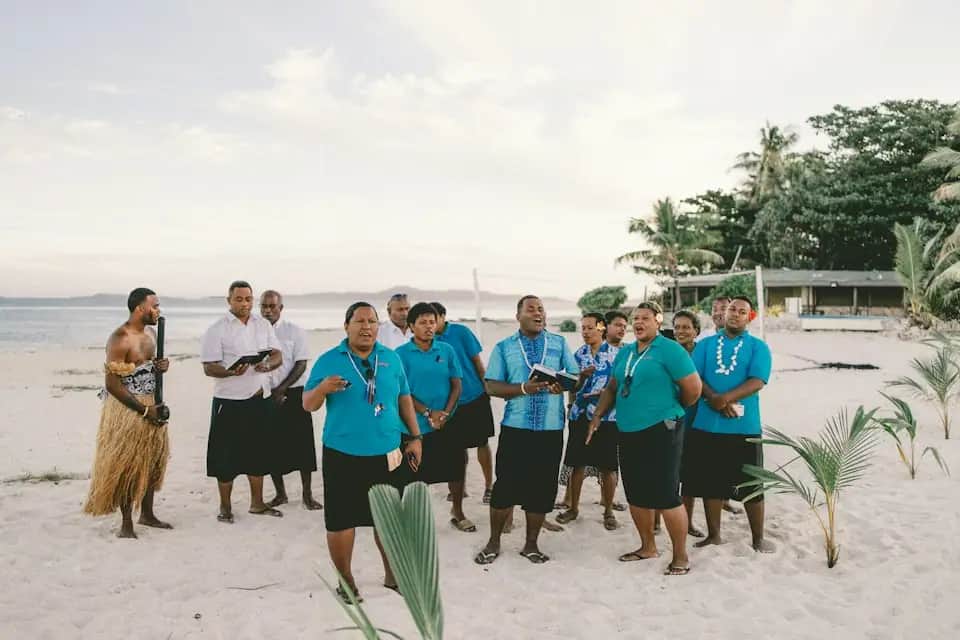
Your first week is where trust begins. Learn names, routines, safety rules, roster habits, and how to ask useful questions without pretending you already know everything.
First job and youth
Build a first graduate application that reads clearly on a phone, links your course to the role, and gives employers enough proof to call you.

First job and youth
Before accepting an internship or attachment, ask about supervision, course credit, duties, hours, transport, safety, feedback, and whether the placement can become a real reference.

First job and youth
Confidence before a first interview comes from preparation, not pretending you are fearless. Use short practice answers, local examples, and a calm plan for clothes, transport, and documents.
First job and youth
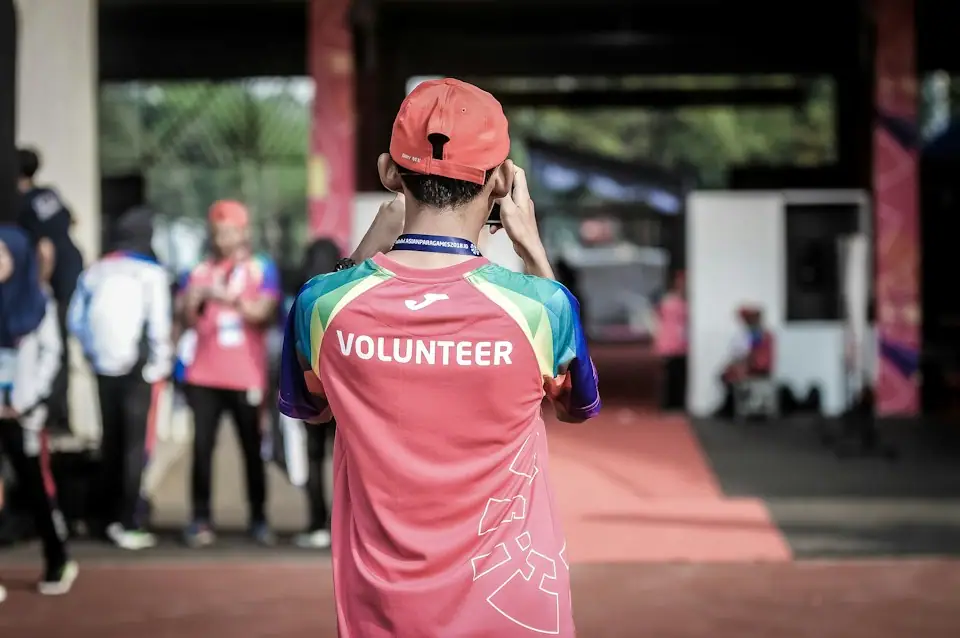
Volunteer work can become evidence for paid work when you record duties, hours, results, and referees clearly. The key is to describe it honestly and connect it to the vacancy.

First job and youth
Holiday work can build confidence, references, and income when the employer is safe, the hours are lawful, and school or training still comes first.

First job and youth
A young job seeker needs structure, transport help, safety checks, and encouragement. The best support is steady guidance that lets them own the application and learn from each step.