
Trades and hands-on work
Aircon and Refrigeration Skills Employers Want
7 min read

Aircon and refrigeration work in Fiji is practical, technical, and highly visible when it goes wrong. A guest room that will not cool, a restaurant freezer that rises in temperature, an office chiller that trips, or a clinic fridge that fails can become urgent very quickly. Employers want technicians who can find faults, work safely, protect equipment, and explain the problem without confusing everyone around them.
Vacancies in Fiji for air conditioning and refrigeration appear across hotels, resorts, supermarkets, restaurants, offices, hospitals, clinics, schools, warehouses, factories, and facilities contractors. The tourism sector makes the demand especially clear. The Fiji Hotel and Tourism Association has described tourism as employing more than 118,000 people directly and indirectly, roughly one in four Fijians, and has repeatedly raised skills shortages across technical and engineering roles.
Hotel demand matters because hotel jobs in Fiji are not only front desk, housekeeping, and chef roles. Behind every guest experience is an engineering team keeping rooms, kitchens, laundries, pools, pumps, lights, cold rooms, freezers, restaurants, staff areas, and back-of-house spaces running. FHTA has pointed to scarce engineering and technical skills, and current resort job adverts for A/C and refrigeration technicians often ask for trade qualifications, practical experience, safety knowledge, and the ability to work in hospitality environments.
Start with the core technical skills. Employers usually look for people who can service split systems, package units, chillers, cold rooms, freezers, refrigerators, compressors, fans, pumps, controls, and ventilation components. You should understand basic electrical checks, pressure testing, leak diagnosis, gauges, pipework, insulation, drainage, filters, coils, thermostats, and preventive maintenance. If you have only worked on domestic units, say so honestly and show that you are ready to learn commercial systems.
Refrigerant handling is not a side issue. It affects safety, equipment life, cost, and environmental compliance. Some Fiji job adverts ask for a licence or authorisation to handle controlled substances, especially in refrigeration and air conditioning roles. If you have a current relevant licence, certificate, or training, put it near the top of your CV. If you do not, do not claim it. Ask the employer or the relevant authority what is required for the system you will work on.
Electrical safety is a major part of HVAC work. You may be opening panels, testing components, replacing motors, checking capacitors, isolating equipment, or working near water and metal. Know lockout and isolation basics. Do not bypass a safety device to make the unit run. Do not leave exposed wiring because the room is cooling again. A technician who takes shortcuts may look fast for one afternoon and become a liability the next day.
Preventive maintenance is where good technicians build trust. Cleaning filters, checking coils, clearing drains, tightening connections, inspecting belts where used, checking refrigerant signs, listening for unusual vibration, and recording readings can prevent breakdowns. In a resort, preventive maintenance also means planning around guest occupancy, restaurant hours, and events. The best technicians do not only fix what is broken. They reduce surprises.
Communication is a real technical skill. A maintenance manager, hotel duty manager, shop owner, or clinic administrator may not understand pressure readings or control boards. Give them a clear plain-language answer: what failed, what you did, whether the unit is safe to run, what part is needed, how long the area may be without cooling, and what risk remains. Do not bury a manager in jargon when they need a decision.
For hospitality jobs in Fiji, behaviour around guests matters. You may work near occupied rooms, restaurants, conference spaces, spas, or public areas. Arrive tidy, protect floors and furniture, keep tools controlled, speak quietly near guest areas, and clean up before leaving. If you need to shut off cooling, coordinate with the engineering supervisor or duty manager. Technical skill gets you hired, but customer awareness keeps you welcome on hotel property.
Island and remote resort work needs extra preparation. A Mamanuca or Yasawa role may involve boat transfers, staff accommodation, roster cycles, limited parts on site, and pressure to repair with what is available. Ask about roster pattern, meals, accommodation, transport, emergency call-outs, tools provided, parts ordering, and whether the role covers general maintenance beyond aircon. Some adverts mention live-on island arrangements, and those details should be discussed before you accept.
Your CV should separate training, licences, systems, and workplaces. A weak line says, Aircon technician. A stronger line says, Serviced split units, cold rooms, and guest-room air conditioning for a 120-room hotel, completed preventive maintenance logs, diagnosed refrigerant leaks, replaced fan motors, and followed isolation procedures. If you worked for a contractor, mention whether you handled homes, commercial sites, shops, or hotels.
A tool list can help, but do not make it the whole application. Employers may want to know whether you can use gauges, vacuum pumps, recovery equipment, multimeters, leak detectors, pipe tools, brazing equipment where relevant, ladders, and basic hand tools. They also want to know whether you record readings, label work, protect the site, and ask for help on unfamiliar systems. A tidy technician with good notes is easier to trust than someone who only says, I can fix anything.
Training pathways can include formal trade certificates, FNU or NTPC-related technical training, employer training, manufacturer guidance, and supervised experience. Fiji job ads for A/C and refrigeration roles often ask for a trade certificate or equivalent qualification, with around two years of relevant experience for many technician roles. Senior roles may ask for more. If you are early in the trade, apply for assistant or trainee maintenance roles and learn under a qualified person.
During interviews, expect practical fault questions. What do you check first if a split unit is not cooling? How do you respond if a cold room temperature rises before a hotel dinner service? What do you do before opening an electrical panel? How do you explain to a manager that a compressor may need replacement? Answer in order: make safe, check simple causes, test properly, report clearly, and do not guess beyond your competence.
Common mistakes are easy to avoid. Do not claim experience on chillers if you only cleaned domestic filters. Do not say you have a controlled substances licence unless it is current. Do not ignore rooftop, ladder, and heat risks. Do not leave a site dirty. Do not promise a permanent repair when you have only made a temporary fix. Good technicians are careful with both the machine and the truth.
When searching, use several terms: aircon, air conditioning, refrigeration, HVAC, maintenance technician, engineering technician, facilities technician, cold room, chiller, and resort maintenance. Use location terms too, including Jobs in Nadi, Denarau, Suva, Lautoka, and island resort locations. Technical roles can sit under engineering, maintenance, hospitality, construction, or facilities, so do not search only one label.
Before applying, prepare a compact evidence pack: certificates, controlled-substance or refrigerant handling status if applicable, work history by system type, two references, tool experience, safety training, and availability for shifts or island rosters. Search current Vacancies in Fiji on FijiCareers, then apply through the employer link with a CV that proves you can keep cooling systems running safely when people are depending on them.
More in Trades and hands-on work
Trades and hands-on work
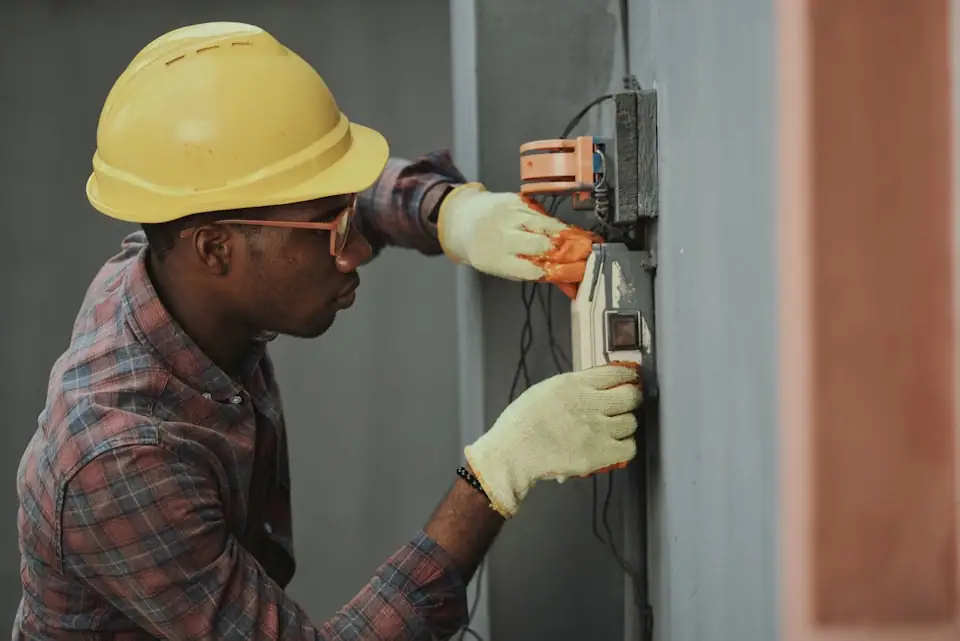
Electrician Jobs in Fiji: How to Get Noticed
Electrical employers need proof of training, safe habits, and licence status. A clear CV can show your wiring experience without claiming more authority than you hold.
6 min read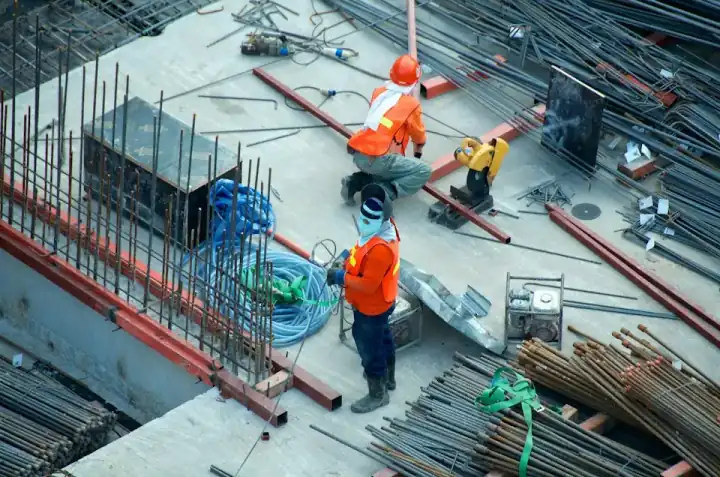
Trades and hands-on work
Construction Site Basics for New Starters
Your first week on a Fiji construction site is about safety, listening, and proving you can be useful without guessing. Here is what new starters should know before stepping past the gate.
6 min read
Where can I find Jobs in Fiji?
Roles change often, so check live listings rather than relying on old posts. Use FijiCareers job search to filter by role or town, then apply on the employer site.
Search live jobs on FijiCareers
Tips help, but listings change daily. Search live jobs in Fiji on FijiCareers when you are ready.
Search jobs