
Trades and hands-on work
Electrician Jobs in Fiji: How to Get Noticed
6 min read
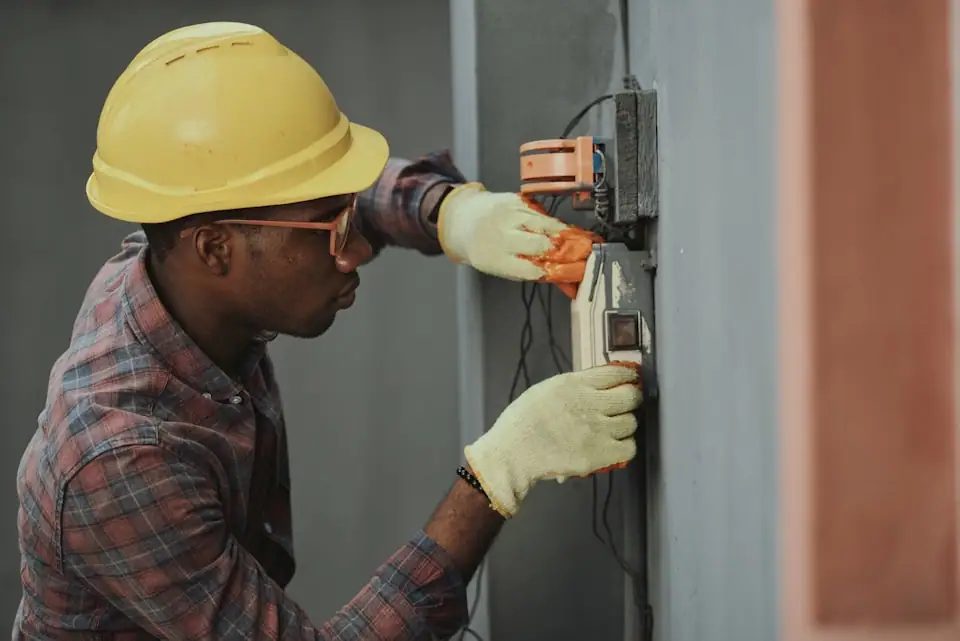
Electrician jobs in Fiji are trust jobs. A contractor, factory, resort, shop, or building owner is not only hiring someone who can make a circuit work. They are hiring someone who understands the limits of their licence, follows the Wiring Rules, works safely around other trades, and leaves a job ready for inspection.
That is why your CV should show proof before personality. Put your trade qualification, apprenticeship status, wiring person licence status, contractor experience, safety training, and recent work types near the top. If you are licensed, state the issuing body and expiry. If you are not licensed yet, say you work under supervision and name the kind of work you have been doing.
Do not invent licence numbers or use casual wording that makes your status unclear. Fiji's Electricity Regulations 2019 set out licensing for electrical contractors and wiring persons, and Energy Fiji Limited publishes contractor licensing information and compliance expectations. Employers know this environment. A vague claim like "fully qualified sparkie" is weaker than a precise, honest line.
A strong CV line might read: "Electrical fitter and mechanic trainee, commercial maintenance and domestic wiring support, working under licensed supervision, experienced with cable pulling, conduit, labelling, testing support, and site clean-up." If you hold a current wiring person licence, say that plainly and attach a scan only when the employer requests it.
For licensed electricians, show the scope of work you have actually handled. Separate domestic, commercial, industrial, resort, marine, generator, solar support, refrigeration controls, and maintenance call-outs if relevant. Employers can then see whether you fit house wiring, hotel plant rooms, shop fit-outs, factory breakdowns, or construction projects.
For apprentices and helpers, reliability is the selling point. Say you understand supervision, do not work beyond instruction, arrive with basic PPE, keep tools organised, and ask before touching unfamiliar circuits. Many employers will train the right person, but they will not take chances with someone who acts licensed when they are not.
Safety examples are more powerful than slogans. Instead of writing "safety conscious," prepare a short interview answer: "Before starting, I confirm isolation with the supervisor, use the correct tester, lock out or tag where required, keep the work area clear, and report any unexpected live condition before continuing." Keep it in your own words, but make it practical.
Know the documents that may come up. Depending on the employer and worksite, they may ask for trade certificates, apprenticeship evidence, licence copy, references, police clearance timing, medical fitness, OHS induction, driver's licence, or proof of previous site access. Do not send originals unless specifically required by a formal process, and keep scans stored safely.
Photos can help if you use them carefully. Only show work you are allowed to share, with no private customer details, no unsafe live work, and no confidential plans. Good photos show tidy boards, labelled circuits, neat conduit, clean trunking, safe temporary works, or before-and-after maintenance where permission is clear.
Maintenance employers often look for fault-finding discipline. Resorts, factories, supermarkets, and offices need electricians who can listen to the complaint, isolate the likely system, test methodically, record what changed, and explain the fix. If you have experience with pumps, motors, kitchen equipment, laundry, lighting, switchboards, emergency lighting, or standby power, spell it out.
Construction employers may focus on pace and coordination. Mention reading drawings, marking out, cable pulling, rough-in, fit-off, working beside carpenters and plumbers, reporting variations, and keeping to site rules. If you have worked on multi-level buildings or large renovations, say how you handled handover and defects lists.
Resort electrical work can involve heat, salt air, guest areas, and urgent breakdowns. A room fault at 8 pm is not only a technical problem. It affects front office, housekeeping, guest comfort, and sometimes revenue. If you can communicate an estimated repair time and clean up without disrupting guests, that is worth saying.
Energy Fiji Limited's contractor guidance highlights valid contractor licensing, current wiring person licences or close supervision, and access to AS/NZS 3000:2018 Wiring Rules and company safety documents. You do not need to quote regulations in your CV. You do need to sound like someone who respects them.
Pay attention to your references. A licensed supervisor, project manager, maintenance manager, or senior tradesperson who can confirm your work habits is stronger than a friend who only says you are hardworking. Ask referees to speak about attendance, safety, quality of finish, ability to follow instructions, and whether you worked within your authority.
When applying for Jobs in Fiji, read electrical ads slowly. Some are for licensed wiring persons. Some are for apprentices. Some are facilities maintenance roles that include basic electrical awareness but not licensed installation work. Some are contractor roles requiring travel. Apply where your documents and experience match, then use your cover note to close any obvious gap.
A simple cover note is enough. Try: "I am applying for the electrician role in Nadi. I have three years of supervised commercial and resort maintenance experience, current first aid, my own basic tools and PPE, and references from my last site supervisor. I understand the importance of working within licence scope and following site safety procedures."
Common mistakes are easy to avoid: burying licence status on page two, claiming every type of electrical work, sending blurry certificate photos, leaving off expiry dates, and saying "available anytime" when transport or family duties limit call-outs. Employers shortlist faster when the practical facts are clear.
Search FijiCareers for electrician, electrical technician, maintenance electrician, wiring person, apprentice, resort maintenance, facilities, and plant roles. Attach the documents requested, keep your claims exact, and apply through the employer link. The candidate who gets noticed is not the loudest. It is the one who makes safety, licensing, and fit easy to understand.
More in Trades and hands-on work
Trades and hands-on work
Construction Site Basics for New Starters
Your first week on a Fiji construction site is about safety, listening, and proving you can be useful without guessing. Here is what new starters should know before stepping past the gate.
6 min read
Trades and hands-on work
Safety Gear and Site Rules Without the Jargon
Safety gear is not decoration, and site rules are not there to slow good workers down. This plain-language guide explains what Fiji trade workers should check every day.
6 min read
Where can I find Jobs in Fiji?
Roles change often, so check live listings rather than relying on old posts. Use FijiCareers job search to filter by role or town, then apply on the employer site.
Search live jobs on FijiCareers
Tips help, but listings change daily. Search live jobs in Fiji on FijiCareers when you are ready.
Search jobs