
Trades and hands-on work
Safety Gear and Site Rules Without the Jargon
6 min read
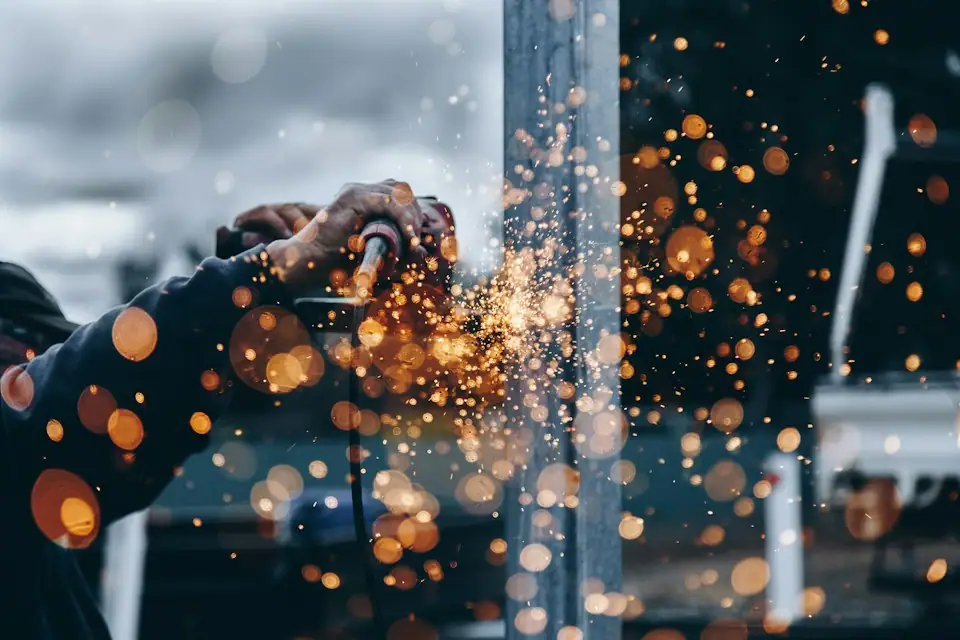
Safety gear is not decoration. It is the equipment that gives you a better chance of going home with your eyes, feet, hearing, lungs, hands, and head still protected. On Jobs in Fiji in construction, maintenance, warehousing, driving, hospitality engineering, and workshop trades, employers will notice whether you treat safety as part of the job or as something to complain about.
Fiji's Health and Safety at Work Act applies broadly to workplaces and places duties on employers to keep workers safe through safe systems, safe plant, training, information, supervision, and risk control. For a worker, the plain version is this: the employer must provide a safe way to work, and you must follow the safe way once it is explained. If the safe way is not clear, ask before starting.
Personal protective equipment, often called PPE, is the last line of protection, not the whole safety plan. A hard hat will not make an unsafe scaffold safe. Gloves will not make a live wire safe. Boots will not make a trench safe. PPE matters, but it works best with planning, training, barriers, isolation, housekeeping, and supervision.
Start with your head, eyes, and face. A hard hat protects against falling or swinging objects, but only if it fits and is worn correctly. Eye protection matters when cutting, grinding, drilling, mixing, chipping, pressure washing, or working around dust and flying particles. A face shield may be needed for grinding or chemical splash risks. Sunglasses are not the same as safety glasses unless they are rated for the task.
Your feet need proper footwear. Construction sites, workshops, warehouses, kitchens, and maintenance areas can have nails, sharp offcuts, wet floors, oil, tools, and moving loads. Safety boots with good soles reduce injury risk and help you stand properly on rough surfaces. Sandals and soft shoes are not suitable for site work. If your boots are split, slippery, or letting in water, replace them as soon as you can.
High-visibility clothing is about being seen before a vehicle or machine moves. It matters near trucks, forklifts, excavators, roadside work, yards, loading areas, and resort back-of-house roads. A faded vest covered in concrete dust does not do the job well. Keep it visible. If you are working at night or early morning, reflective strips matter even more.
Gloves should match the hazard. Thin gloves may help with light handling but fail around sharp metal. Thick gloves may protect against rough materials but make small tool work clumsy. Chemical gloves are different again. Do not wear gloves around rotating equipment if they can catch. Ask what type is required for the task rather than assuming any glove is better than none.
Hearing and breathing protection are often ignored until the damage is already done. Grinders, breakers, compressors, saws, and plant can harm hearing over time. Dust from cutting, sanding, demolition, cement, timber, or mouldy spaces can irritate lungs or worse. If the task creates heavy dust, fumes, or noise, ask what protection is required and whether ventilation or wet cutting should be used.
Site rules usually answer three questions: where can I go, what can I touch, and what must I report? Where you can go covers walkways, exclusion zones, roofs, trenches, scaffold, plant areas, and client spaces. What you can touch covers tools, machinery, electrical panels, valves, chemicals, vehicles, and materials. What you must report covers injuries, near misses, damaged gear, spills, defects, missing guards, and unsafe behaviour.
A near miss is not gossip. It is a warning. If a board falls near someone, a truck reverses too close, a ladder slips, a grinder guard is missing, or a worker almost falls through an opening, report it the same day. The point is not to embarrass someone. The point is to fix the hazard before the next person gets hurt.
Lockout and isolation rules are serious. If equipment, electrical systems, pumps, compressors, or machines are tagged or isolated, do not remove the tag, restart the equipment, or test it because you are curious. Only the authorised person should control that process. Many serious injuries happen when someone thinks the job is finished and turns power or pressure back on too early.
Housekeeping is safety. Keep walkways clear, stack materials so they do not fall, remove nails from timber or bend them over, coil leads away from traffic paths, clean spills, and put tools where they will not trip someone. A messy site slows everyone down and hides hazards. Employers like workers who leave an area safer than they found it.
Heat, sun, and hydration are part of Fiji safety. Working on roofs, roads, scaffolds, yards, ceiling spaces, laundries, kitchens, or plant rooms can drain you quickly. Drink water, use shade during breaks, eat enough before a long shift, and speak up if you feel dizzy, faint, confused, or sick. Do not wait until you collapse to prove you are tough.
For construction work, Fiji's construction regulations include practical controls around excavations, demolition, scaffolds, access, platforms, ladders, sloping roofs, high winds, and records. You do not need to memorise old regulation numbers for a job interview. You do need to act like the hazards are real: use proper access, respect barriers, keep away from edges, and stop when weather makes a task unsafe.
If safety gear is missing or damaged, use a calm workplace sentence. Try: I am ready to do the task, but I need eye protection first. Or: this ladder looks damaged, who should I report it to? Or: I have not been trained on this machine yet. Can someone show me the safe process? Those sentences are better than refusing with attitude or silently taking a risk.
Good safety habits belong on your CV when they are specific. A weak line says, Followed safety. A stronger line says, Completed daily pre-start checks, wore required PPE, kept walkways clear, reported damaged extension leads, and attended site induction before starting work. If you have first aid, OHS awareness, working at height, forklift, traffic control, confined space, or trade-specific safety training, list it with the date if you know it.
During interviews, employers may ask what you would do if asked to work without gear. The best answer is respectful but firm: I would ask for the correct gear or instruction before starting, because rushing can injure someone and delay the job. That answer shows you are not trying to cause trouble. You are trying to keep the work moving safely.
When you search Jobs in Fiji on FijiCareers, read adverts for clues about safety expectations. Words like construction, maintenance, warehouse, engineering, plant, electrical, refrigeration, scaffolding, roofing, driving, or resort operations all suggest practical safety responsibilities. Apply through the employer link with any safety certificates you already hold, then bring the same attitude to day one: listen first, wear the gear, follow the site rules, and speak up early when something is not safe.
More in Trades and hands-on work
Trades and hands-on work
Electrician Jobs in Fiji: How to Get Noticed
Electrical employers need proof of training, safe habits, and licence status. A clear CV can show your wiring experience without claiming more authority than you hold.
6 min read
Trades and hands-on work
Construction Site Basics for New Starters
Your first week on a Fiji construction site is about safety, listening, and proving you can be useful without guessing. Here is what new starters should know before stepping past the gate.
6 min read
Where can I find Jobs in Fiji?
Roles change often, so check live listings rather than relying on old posts. Use FijiCareers job search to filter by role or town, then apply on the employer site.
Search live jobs on FijiCareers
Tips help, but listings change daily. Search live jobs in Fiji on FijiCareers when you are ready.
Search jobs