
Trades and hands-on work
Construction Site Basics for New Starters
6 min read
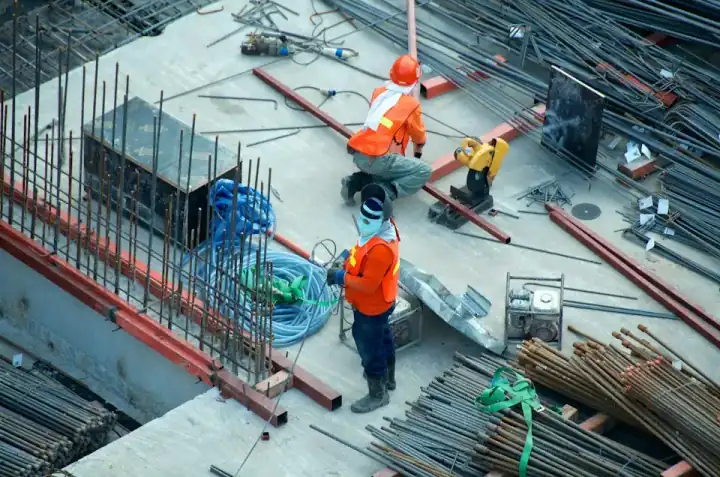
Your first week on a construction site is not the time to prove you are fearless. It is the time to prove you can listen, stay alert, and follow instructions even when the site is noisy, hot, and moving quickly. Construction Jobs in Fiji can be found on housing builds, road works, hotel refurbishments, civil projects, shop fit-outs, and maintenance crews. The basics are similar everywhere: sign in, know your supervisor, wear the right gear, stay out of restricted areas, and ask before touching equipment.
Fiji's Health and Safety at Work framework puts a duty on employers to provide safe systems of work, safe plant, information, training, and supervision. That does not mean a new worker can relax and wait to be protected. It means safety is part of the job from the first morning. If you ignore a site rule, climb where you were not told to climb, or operate equipment without training, you put yourself and the crew in danger.
Construction is also treated as a high-risk type of work in Fiji's workplace safety system, with building and non-building construction listed in high-risk categories under recent general workplace conditions amendments. In plain language, this means the site is not just another workplace. There may be inspections, records, inductions, registers, plant requirements, and extra controls because the hazards are serious.
On day one, arrive early enough to find the gate, office, or muster point without rushing. Do not wander through the site looking for someone. Ask for the foreman, site supervisor, leading hand, or safety officer. Give your name, the company or subcontractor you are reporting to, and the role you were told to start in. If there is a sign-in book or digital sign-in, complete it before you begin.
The induction is not just a talk to get through. It should tell you where to walk, where not to walk, what personal protective equipment is required, what to do in an emergency, where the toilets and drinking water are, who gives instructions, and what hazards are active that day. If the induction is rushed and you do not understand something, ask. A good question is simple: where am I allowed to go today, and who do I report to if the task changes?
Wear practical clothing before you even know the full PPE list. Closed safety boots, long pants, and a shirt that can handle dust and sun are a better start than sandals, shorts, or loose clothing that can catch on materials. Most sites will require a hard hat, high-visibility vest, and eye protection in certain areas. Some tasks need gloves, hearing protection, dust masks, harnesses, or face shields. Use the gear required for the task, not just the gear that looks common.
New starters should learn the traffic pattern of the site. Trucks, excavators, forklifts, concrete deliveries, and reversing utes can move close to workers. Stay on marked walkways where they exist. Do not stand behind vehicles, walk under loads, or assume an operator has seen you. If a spotter or traffic controller gives a hand signal, follow it. If you do not understand the signal, stop and ask from a safe place.
Working at height is one of the fastest ways for a small mistake to become a serious injury. Fiji's construction regulations include rules around scaffolds, means of access, guard rails, toe boards, ladders, and sloping roofs. You do not need to quote the regulations in an interview, but you should know the behaviour: use the access provided, do not remove edge protection, do not climb incomplete scaffold, and do not use a ladder for work that clearly needs a platform.
Excavations also need respect. Trenches and holes can collapse, fill with water, or create fall hazards. The older construction regulations include requirements around excavation support, barriers, loading near edges, and inspection. For a new starter, the rule is plain: do not jump into a trench unless told it has been made safe, do not stack materials near an edge, and do not remove barriers because they slow you down.
Tools are not all equal. A broom, shovel, tape measure, or wheelbarrow may be fine after a quick instruction. Saws, grinders, nail guns, compactors, mixers, scaffolding components, electrical tools, and plant need training and permission. If someone says, just use it, but you have never been shown how, pause and ask the supervisor. The sentence to use is: I can help, but I need to be shown the safe way first.
Heat is a real Fiji site issue. Bring water, eat before a long shift, and tell someone early if you feel dizzy, weak, confused, or sick. Roof spaces, ceilings, road works, and concrete pours can become hard on the body. Taking water breaks is not laziness when the work is hot. It is how you stay useful for the full day without creating an emergency for the crew.
Being useful does not mean trying to do a tradesperson's job before you are ready. Good labourers keep paths clear, move materials safely, help with set-up and clean-up, listen for measurements, pass tools carefully, and notice hazards. If you finish a task, do not disappear. Ask, what is next, where should this be stacked, or do you want the area cleaned before the next delivery?
Your phone can help or hurt you. Keep it charged so supervisors can contact you, but do not scroll in active work areas. Taking photos of a site, client property, hotel area, or private home without permission can create problems. If you want photos for your work record, ask first and avoid faces, addresses, drawings, and anything confidential.
For your CV, write construction experience in terms of sites, tasks, tools, and safety habits. A weak line says, Worked construction. A stronger line says, Assisted on residential renovation in Nausori, carried materials, mixed mortar under supervision, kept access ways clear, followed hard hat and vest rules, and reported damaged extension lead before use. Employers can train skill, but they want to see care.
If you want to move beyond labouring, ask about pathways early. Fiji National University's National Training and Productivity Centre supports construction industry training, apprenticeships, and trade testing pathways. Carpentry, cabinet making, plumbing, wet trades, electrical, fitting, welding, and plant-related skills can all become next steps depending on your employer and experience. You may not need a certificate for every entry role, but recognised training helps when you want steadier work.
Search for Jobs in Fiji in construction with a clear idea of your current level. Apply for labourer, site hand, apprentice, trades assistant, trainee, or skilled roles according to what you can honestly do. When you apply through FijiCareers, use the employer's official link and include your phone number, location, site experience, any tickets or certificates, and the date you can start. On site, the first promotion is often trust. Build that first.
More in Trades and hands-on work
Trades and hands-on work
Electrician Jobs in Fiji: How to Get Noticed
Electrical employers need proof of training, safe habits, and licence status. A clear CV can show your wiring experience without claiming more authority than you hold.
6 min read
Trades and hands-on work
Safety Gear and Site Rules Without the Jargon
Safety gear is not decoration, and site rules are not there to slow good workers down. This plain-language guide explains what Fiji trade workers should check every day.
6 min read
Where can I find Jobs in Fiji?
Roles change often, so check live listings rather than relying on old posts. Use FijiCareers job search to filter by role or town, then apply on the employer site.
Search live jobs on FijiCareers
Tips help, but listings change daily. Search live jobs in Fiji on FijiCareers when you are ready.
Search jobs