
Trades and hands-on work
Plumbing and Maintenance Work on Resorts
6 min read
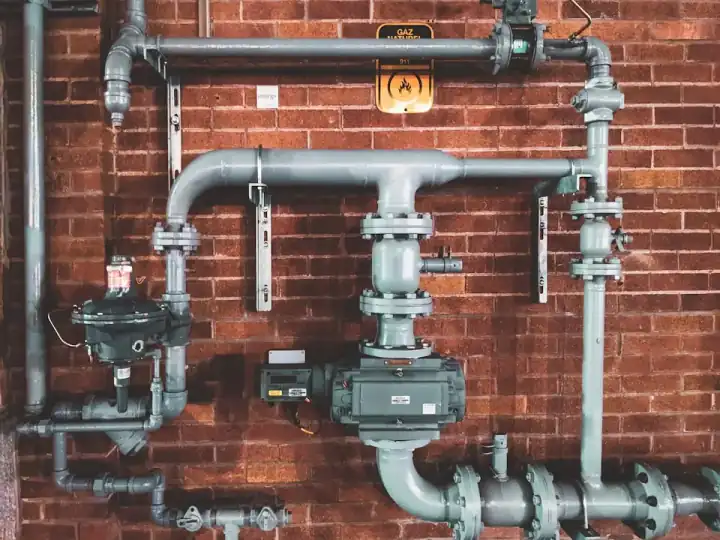
Plumbing and maintenance work on a resort is different from fixing one house and leaving. A hotel room without hot water, a blocked kitchen line before dinner, or a pump fault on an island can affect guests, staff, hygiene, revenue, and safety at the same time. Good resort tradespeople understand that urgency.
Hotel Jobs in Fiji often show the guest-facing roles first, but maintenance teams carry the property in the background. Resorts need plumbers, handypersons, service technicians, plant operators, maintenance supervisors, and chief engineers who keep water, wastewater, pools, rooms, kitchens, laundries, staff housing, and back-of-house areas working.
The Fiji tourism sector is busy and labour demand is real. Industry commentary has pointed to strong visitor numbers, high occupancy, and skilled worker shortages, while FHTA has described tourism as supporting roughly one in four Fijians directly and indirectly. For tradespeople, that means hotels and island operators can be a serious career path, not only a stop-gap job.
Resort plumbing starts with the basics: leaks, taps, showers, toilets, traps, drains, hot-water systems, pumps, valves, tanks, gutters, and room call-outs. But strong candidates also understand preventative maintenance. They check small faults before they become guest complaints, record repeat problems, and tell supervisors when a part is close to failing.
Island roles can be broader. Recent Fiji resort maintenance ads have mentioned watermakers, wastewater treatment systems, generators, tenders, accommodation upkeep, mechanical repairs, refrigeration, and general building systems. A plumber may not be expected to do every trade, but the more systems you understand, the more useful you become to a small island team.
Salt air, humidity, sand, heat, and high guest turnover are hard on fittings. Mention experience with corrosion, outdoor pipe runs, beachfront villas, poolside areas, plant rooms, staff quarters, grease traps, or rainwater systems if you have it. Employers want to know you understand why resort maintenance is not the same as a quiet suburban call-out.
Your CV should separate trade skills from general maintenance. A strong summary might say: "Plumbing and resort maintenance technician with experience in guest-room repairs, pump checks, hot-water faults, blocked drains, grease traps, staff housing, and preventative maintenance records." That gives a chief engineer a fast picture of where you can help.
If you have formal trade certificates, list them clearly. If your strength is long hands-on experience, state the years, systems, supervisors, and properties where you worked. Do not claim a qualification you do not hold. Resort managers are used to checking references, and honesty about your level is better than being caught out after a breakdown.
Guest-area behaviour matters. You may be entering rooms, villas, restaurants, kitchens, spa areas, poolsides, or public toilets while guests are nearby. Say that you protect floors, carry tools neatly, ask before moving guest belongings, clean up after work, and communicate politely. A technically good repair can still cause a complaint if the room is left messy.
Communication is part of the trade. Front office needs to know whether a room can be sold, housekeeping needs to know when a bathroom is usable, and the kitchen needs an honest repair time. Prepare a simple interview example: "I found the issue, isolated the area, told my supervisor the estimated repair time, and updated front office before the guest returned."
On-call rosters are common in resorts. Before accepting, ask how after-hours calls work, who authorises overtime, what transport or boat transfer applies, and how days off are handled. If the role is live-in, ask about accommodation, meals, laundry, communication with family, and roster cycles. These are practical questions, not complaints.
Tools and spares can decide how fast you solve a problem. Keep your basic hand tools clean and labelled, but also show that you can work with the employer's stores process. Resorts need tradespeople who report used parts, request replacements early, and do not leave the next shift with an empty shelf and no note.
Safety and hygiene are non-negotiable. Plumbing work can touch hot water, chemicals, confined spaces, slippery surfaces, wastewater, sharp edges, and electrical equipment nearby. Employers want people who use PPE, isolate systems properly, keep public areas marked, and know when to call a supervisor or specialist instead of guessing.
Preventative maintenance is where you can stand out. If you have kept a logbook, used a checklist, recorded room faults, flushed lines, checked pumps, inspected tanks, or reported recurring blockages, put that in your CV. A resort saves money when maintenance finds patterns before guests do.
For interviews, prepare three stories: one urgent guest-room repair, one back-of-house repair that helped operations, and one example of preventing a repeat fault. Keep each story short: the problem, what you checked, who you informed, what you fixed, and what you recorded afterwards.
If you want to move from domestic plumbing into resort maintenance, close the service gap. Learn hotel language: room out of order, preventative maintenance, work order, handover, guest recovery, plant room, back of house, and duty engineer. You do not need to sound fancy. You need to understand how your repair fits the operation.
Search FijiCareers for plumbing, plumber, maintenance technician, resort maintenance, service technician, engineering, plant, facilities, water treatment, and island roles. Use location terms like Nadi, Denarau, Coral Coast, Mamanuca, Yasawa, and Savusavu where they fit. Hotel Jobs in Fiji can include serious trades work behind the scenes.
Before you apply, prepare proof: certificates or trade evidence, references, a short list of systems you know, photos you are allowed to share, and your availability for rosters or island work. The strongest maintenance candidates show they can fix the pipe, protect the guest experience, and leave a clear handover for the next shift.
More in Trades and hands-on work
Trades and hands-on work
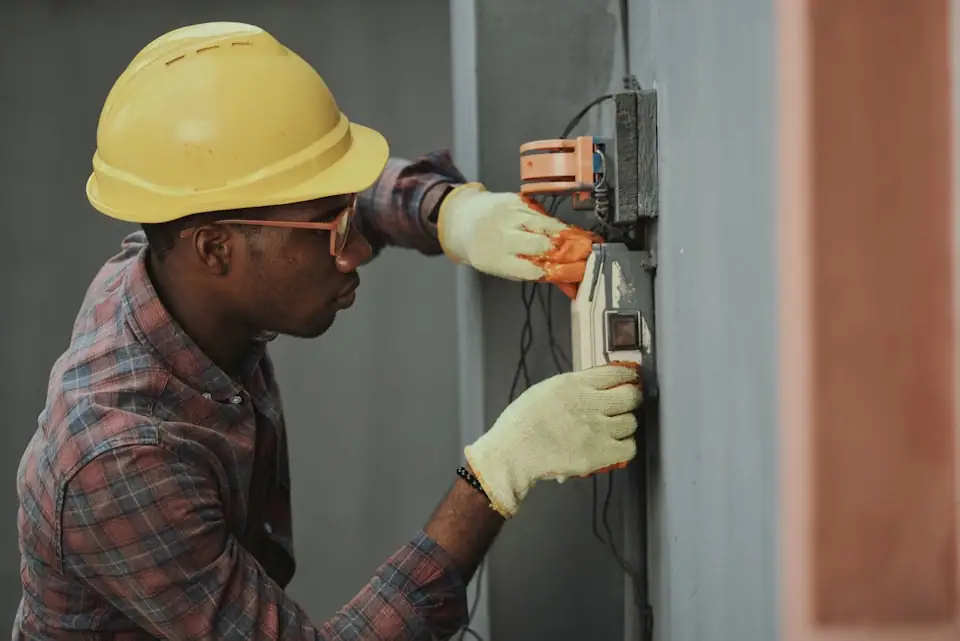
Electrician Jobs in Fiji: How to Get Noticed
Electrical employers need proof of training, safe habits, and licence status. A clear CV can show your wiring experience without claiming more authority than you hold.
6 min read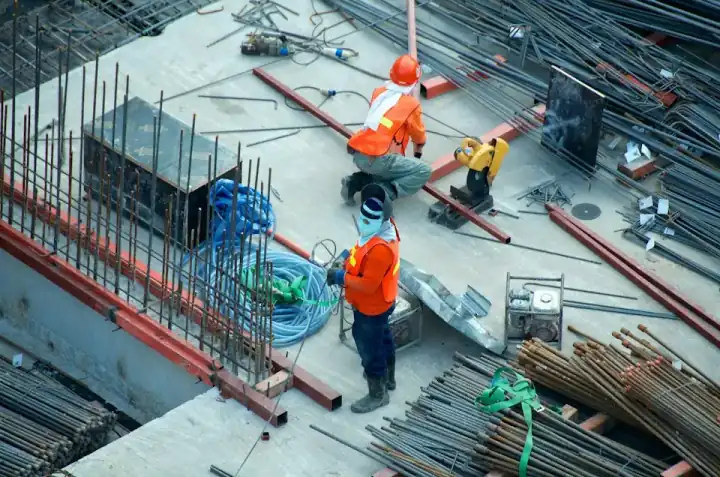
Trades and hands-on work
Construction Site Basics for New Starters
Your first week on a Fiji construction site is about safety, listening, and proving you can be useful without guessing. Here is what new starters should know before stepping past the gate.
6 min read
Where can I find Jobs in Fiji?
Roles change often, so check live listings rather than relying on old posts. Use FijiCareers job search to filter by role or town, then apply on the employer site.
Search live jobs on FijiCareers
Tips help, but listings change daily. Search live jobs in Fiji on FijiCareers when you are ready.
Search jobs