
Trades and hands-on work
Getting Trade Experience When You Are New
6 min read
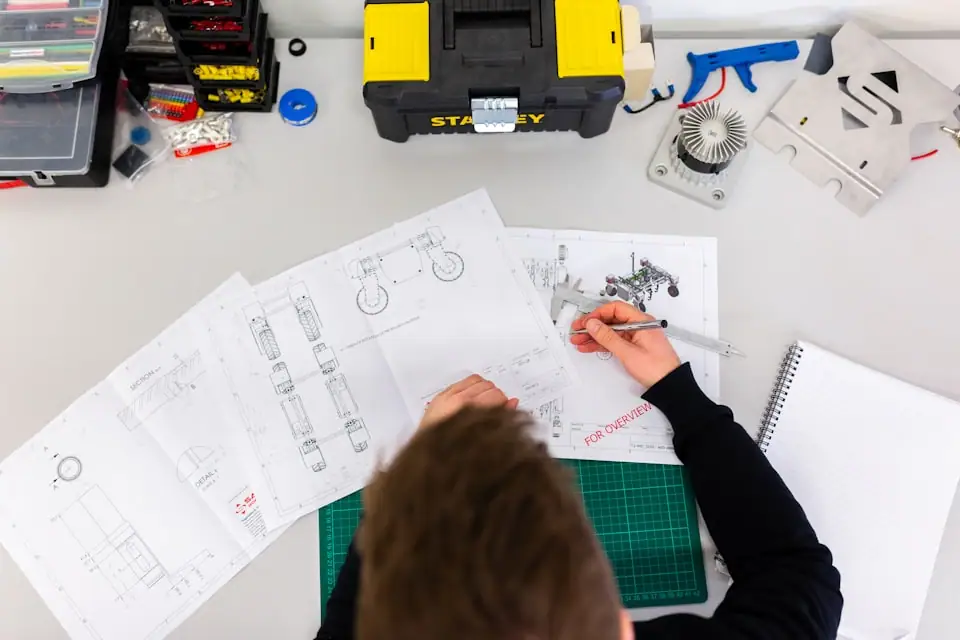
Trade experience starts before you have a full ticket. In Fiji, many employers still notice the person who arrives early, wears the right gear, listens to instructions, and can be trusted near tools, vehicles, guests, stock, and live work areas.
That matters because trades are not a side category in the labour market. The 2025 National Skills Gap Assessment Survey, released through FCEF and Fiji Bureau of Statistics work, listed electricians, joinery and carpentry, welders, fitters, refrigeration technicians, plumbers, machine operators, and other trade roles among skills employers struggle to hold.
If you are new, your first target is not always the full technician job. Search for words like apprentice, trainee, trade assistant, workshop assistant, maintenance helper, labourer, junior technician, or stores and workshop support. These roles can put you near the trade while you build proof.
The strongest path is a formal apprenticeship when you can get one. Fiji National University's National Training and Productivity Centre describes the National Apprenticeship Scheme as an earn-as-you-learn route, usually built around an agreement between the apprentice, employer, and NTPC, with training and monitoring over several years.
FNU and NTPC materials also show broad trade coverage: carpentry, plumbing, electrical fitter mechanic, refrigeration and air-conditioning, welding and fabricating, automotive trades, joinery and cabinet making, fitting and machining, electronics, and related technician fields. Do not guess eligibility from an old flyer. Check the current NTPC or FNU notice and ask the apprenticeship contact what intake is open now.
Short courses can also help if an apprenticeship is not open this month. FNU's construction industry training pages describe programmes for school leavers, unemployed people, and workers who have experience but no formal training, including construction, carpentry, cabinet making, plumbing, and wet trades. These courses do not magically make you a licensed tradesperson, but they can give you the language and safety basics to start.
When you apply for Jobs in Fiji in trades, write your CV like someone who understands the worksite. A weak line says, helped uncle with construction. A stronger line says, assisted carpenter with measuring timber, carrying materials, cleaning work area, and checking tools at the end of each day. The second line gives an employer something to trust.
Safety is part of experience, not an extra. On building, electrical, workshop, and resort maintenance sites, employers want people who follow PPE rules, keep walkways clear, ask before touching equipment, and report damage early. If you have first aid, working at heights, basic fire safety, or similar training, list the provider and date. If a certificate expires, note the renewal date.
Be honest about tools. You do not need to pretend you can wire a board, weld pressure pipe, or service a refrigeration system if you have only watched someone else do it. Say what you have done under supervision: measured, cut, cleaned, labelled, lifted, checked stock, passed tools, prepared surfaces, filled out a checklist, or helped test after a senior person finished.
Use volunteer and family work carefully. Many people in Fiji learn through relatives, village projects, church maintenance, or small cash jobs. That can count as early exposure, but name the task and the standard. Painting a community hall, fixing a leaking tap under supervision, or helping build a shed is clearer than saying construction experience.
Try to collect referees before you need them. After a few weeks of steady work, ask a supervisor whether they would be comfortable confirming your punctuality, attitude, and safety habits. A short referee call from a site foreman, workshop supervisor, hotel maintenance manager, or senior carpenter can be more useful than a long list of unrelated casual jobs.
When you contact an employer, keep the message plain. For example: I am applying for the trade assistant role. I have basic site experience, I follow safety instructions, and I am looking for supervised work where I can build toward formal trade training. I am available for an interview and can provide a referee.
Ask practical questions at interview. Who supervises junior workers? Is there a pathway to apprenticeship or trade testing? What PPE do I need to provide myself? Will the job involve travel between sites, resorts, or branches? Are there weekend call-outs? Good questions show maturity, not trouble.
Watch for pressure that does not feel professional. A real employer can explain the work, location, pay process, and documents needed. Be cautious if someone asks you to pay a fee to get the job, hand over passwords, or send original ID documents without a clear HR process. For wage and rights questions, check the latest Wages Regulation Order or speak to the Ministry of Employment rather than relying on old numbers passed around.
If you feel stuck, build a 30-day proof plan. Week one: tidy your CV and list tools honestly. Week two: contact FNU or NTPC about current trade options. Week three: ask two supervisors or community leaders for references. Week four: apply to junior trade and maintenance listings that match your transport and availability.
FijiCareers can help you keep the search focused. Look for trade, construction, maintenance, electrical, plumbing, carpentry, refrigeration, and resort maintenance roles in one place, then apply through the employer link with a CV that shows real habits, not inflated claims.
More in Trades and hands-on work
Trades and hands-on work
Electrician Jobs in Fiji: How to Get Noticed
Electrical employers need proof of training, safe habits, and licence status. A clear CV can show your wiring experience without claiming more authority than you hold.
6 min read
Trades and hands-on work
Construction Site Basics for New Starters
Your first week on a Fiji construction site is about safety, listening, and proving you can be useful without guessing. Here is what new starters should know before stepping past the gate.
6 min read
Where can I find Jobs in Fiji?
Roles change often, so check live listings rather than relying on old posts. Use FijiCareers job search to filter by role or town, then apply on the employer site.
Search live jobs on FijiCareers
Tips help, but listings change daily. Search live jobs in Fiji on FijiCareers when you are ready.
Search jobs